
 by
by 
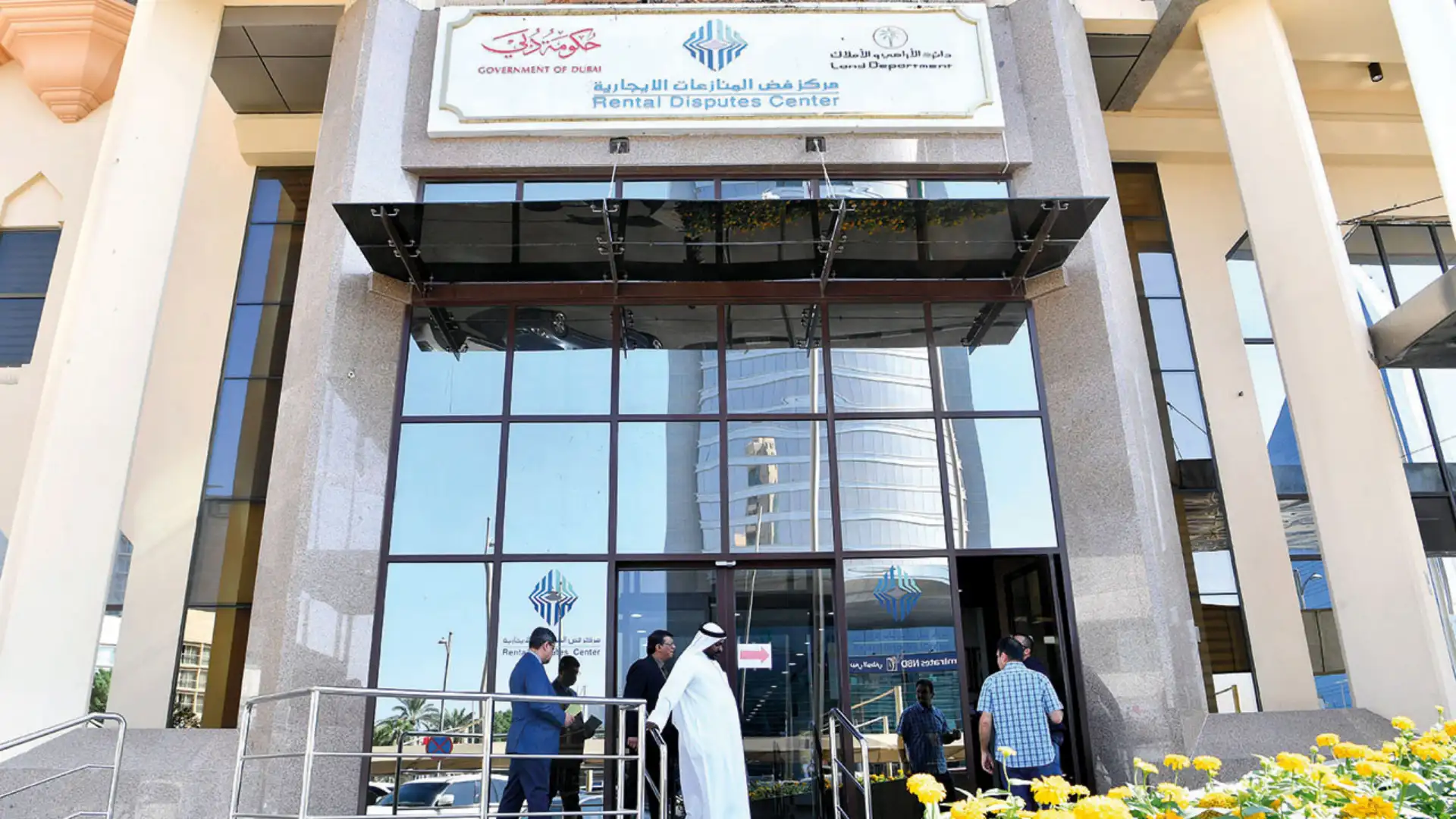
For Indian professionals, families and investors living in Dubai, a rental disagreement can become stressful when a landlord refuses rent, proposes a disputed increase, or disagrees about renewal terms. Dubai rent disputes are handled through the Rental Disputes Center (RDC), which provides formal channels for tenants and landlords. One important mechanism is the Offer and Deposit process. It can allow a tenant to formally offer rent, or in some cases property keys, through the RDC while the wider tenancy issue remains unresolved. It does not automatically decide whether a rent increase is lawful or guarantee renewal on the tenant’s preferred terms. Understanding the procedure, documents and payment trail can help Indian tenants deal with the situation in a more organised way.
Dubai rent disputes: Understanding the RDC Offer and Deposit Process
The RDC describes Offer and Deposit as a service that enables an applicant to request an order from the Provisional and Summary Actions Judge to offer rent or property keys to the owner, without prejudicing the parties’ leasehold rights.
This can be relevant when a landlord refuses to receive rent during a renewal disagreement. The procedure deals with the formal offer or deposit. It does not, by itself, decide the wider tenancy disagreement.
Dubai rent disputes: When a Landlord Refuses Rent
If a landlord refuses to accept rent, tenants should keep evidence showing that they attempted to pay. Useful records include:
- Emails
- WhatsApp messages
- Payment instructions
- Cheque copies
- Formal notices
- Other written correspondence
Dubai Land Department guidance states that tenants should deposit rent with the RDC under an Offer and Deposit motion when an owner refuses to receive it. The landlord is notified through the prescribed process, and DLD states that the tenant is deemed to have paid from the date the judge accepts the motion.
For Indian tenants, the practical lesson is simple: do not assume that keeping the rent in your bank account is the same as completing a formal payment process.
Dubai rent disputes: Check the Rent Increase Before Renewal
Before accepting or challenging a proposed rent increase, tenants should check the official Dubai Land Department Rental Index. The service uses details such as contract expiry, property type, area and current annual rent to provide rental information.
DLD states that either party seeking to amend the rental value or contract terms should generally notify the other party at least 90 days before the tenancy expires, unless the parties agree otherwise. DLD also says the Rental Index is mandatory when parties are in conflict over the rate of increase during renewal.
For a Dubai rental dispute involving a proposed increase, keep:
- Current Ejari and tenancy agreement
- Contract expiry date
- Written rent increase notice
- DLD Rental Index result
- Payment records
- Cheques and bank records
- Emails and WhatsApp correspondence
- Any formal notices
For clients working with Keystone Global Real Estate, keeping these documents organised can make renewal discussions easier and create a clear record of the tenancy position.
Dubai rent disputes: Understanding the Rental Dispute Center Dubai Process
The Rental Dispute Center Dubai provides services covering rental lawsuits, appeals, execution matters and provisional or summary orders. Its official service list includes Register an Offer and Deposit.
Tenants can access the service through the RDC website or Real Estate Services Trustee Centres. The online process involves creating an account, selecting the service, entering information, uploading documents and paying the applicable fees. The judge’s decision is then made available through the RDC website.
For tenants searching for RDC Dubai information online, it is important to use the official RDC portal rather than relying only on social media posts or informal advice.
Dubai rent disputes: Documents, Fees and Application Steps
The RDC lists several documents for an Offer and Deposit application. These include the Offer and Deposit motion, Emirates ID for an individual, the latest signed lease, a copy of the new lease with the same terms where applicable, copies of deposited cheques with the new lease, and relevant correspondence. Corporate applicants have additional identification and licence requirements. Documents must be submitted in or legally translated into Arabic.
Current RDC Fees
The published fees are:
- AED 50 Offer and Deposit fee
- AED 10 Knowledge fee
- AED 10 Innovation fee
- Additional AED 130 + VAT on the partner service fee if registered through a Real Estate Services Trustee Centre
The RDC currently lists one business day as the service time for registration.
Dubai rent disputes: Step-by-Step Checklist for Tenants
A practical Dubai rental dispute process can be approached in the following order:
- Review your Ejari and tenancy contract.
- Check the DLD Rental Index if the disagreement concerns a rent increase.
- Keep proof that rent was offered to the landlord.
- Prepare the required documents before applying.
- Register the Offer and Deposit request through the official RDC portal or an authorised Trustee Centre.
- Pay the applicable fees.
- Check the decision online.
- Follow the judge’s order and complete the required deposit or handover steps.
- Keep the order and payment evidence with your tenancy records.
Keyestone recommends keeping a digital folder containing the Ejari, contract, notices, payment records and RDC documents. This can be particularly useful if the matter develops into a wider Dubai tenancy dispute.
Dubai rent disputes: What Offer and Deposit Does Not Decide
An Offer and Deposit application is not a final judgment on the wider disagreement.
For example, successfully depositing rent does not by itself establish that a disputed rent increase is unlawful or guarantee renewal on the tenant’s preferred terms.
If the disagreement continues, the parties may need to use another RDC service, such as conciliation or a first-instance rental lawsuit. The RDC separately provides both options.
This distinction is important when considering Dubai tenant rights. The payment procedure and the underlying legal dispute are separate issues.
Dubai rent disputes: Keep Paying and Preserve Your Records
Tenants should continue meeting their rental obligations as they fall due and retain proof of payment. A pending dispute should not automatically be treated as a rent holiday. Recent legal guidance also stresses that filing the application is not the same as completing the required deposit.
If the RDC accepts the request, DLD states that the landlord is notified to receive the deposited rent and the tenant is deemed to have paid from the date of the judge’s acceptance.
Keep copies of:
- RDC order
- Deposit receipt
- Bank records
- Cheque copies
- Ejari
- Written notices
- Landlord correspondence
Keystone Global Real Estate advises tenants to keep a complete document trail during renewal discussions. This is especially useful when there are multiple cheques, notices or proposed renewal terms.
Dubai rent disputes: Common Mistakes Indian Tenants Should Avoid
Common mistakes can make a Dubai tenancy dispute more complicated. Tenants should avoid:
- Ignoring a formal notice
- Holding rent without following the prescribed RDC procedure
- Assuming a WhatsApp message replaces formal RDC notification
- Failing to check the DLD Rental Index
- Missing contract or notice dates
- Losing payment evidence
- Assuming Offer and Deposit settles the entire dispute
- Signing revised terms without reviewing the changes
For Indian residents, keeping important tenancy documents in a secure digital folder can make future renewals easier. If you are changing homes, retain the previous Ejari, payment history and renewal correspondence.
Keyestone can help clients understand the property and tenancy context, while specific legal questions should be reviewed with a qualified UAE legal professional or through the appropriate RDC channel.
Conclusion: Dubai rent disputes and Protecting Your Tenancy Record
Understanding Dubai rent disputes is important for tenants facing payment, renewal or rent increase disagreements. The RDC Offer and Deposit procedure provides a formal route when a landlord refuses to accept rent or, in relevant cases, property keys. It should not be confused with a final ruling on the wider tenancy dispute.
For Indian tenants in Dubai, a practical approach is to check the DLD Rental Index where relevant, keep written evidence, follow the RDC procedure and retain every order and payment record. Keystone Global Real Estate focuses on helping clients understand Dubai’s property market and make informed real estate decisions. For legal interpretation, tenants should use the official RDC channels or seek qualified UAE legal advice.
Dubai rent disputes FAQ
What are Dubai rent disputes?
They are disagreements between landlords and tenants involving matters such as rent payments, increases, renewal terms, eviction, maintenance or other tenancy obligations. The RDC provides formal services for rental matters.
What is RDC Offer and Deposit?
RDC Offer and Deposit is a formal procedure that allows an applicant to ask the RDC judge for an order to offer rent or property keys to the owner without prejudicing the parties’ leasehold rights.
Can a tenant use Offer and Deposit if the landlord refuses rent?
Yes. DLD states that when an owner refuses to receive rent, the tenant should deposit the rental amount with the RDC under the prescribed Offer and Deposit procedure.
Does Offer and Deposit cancel a rent increase?
No. It does not by itself decide whether a proposed increase is lawful or guarantee renewal on the tenant’s preferred terms. A separate rental dispute process may be required.
How much does the RDC Offer and Deposit service cost?
The RDC currently lists AED 50 for the Offer and Deposit service, AED 10 Knowledge fee and AED 10 Innovation fee. Trustee Centre registrations may involve additional partner fees.
What documents are needed?
The RDC lists the motion, Emirates ID, latest signed lease, relevant new lease and cheque copies, plus correspondence. Corporate applicants have additional requirements.
Can Indian tenants file a rental dispute in Dubai?
Yes. The RDC’s rental services are available to eligible tenants regardless of nationality, subject to the published requirements and supporting documentation.
Where can tenants check a rent increase?
Tenants can use the official Dubai Land Department Rental Index and enter the relevant tenancy and property information.



Join The Discussion