
 by
by 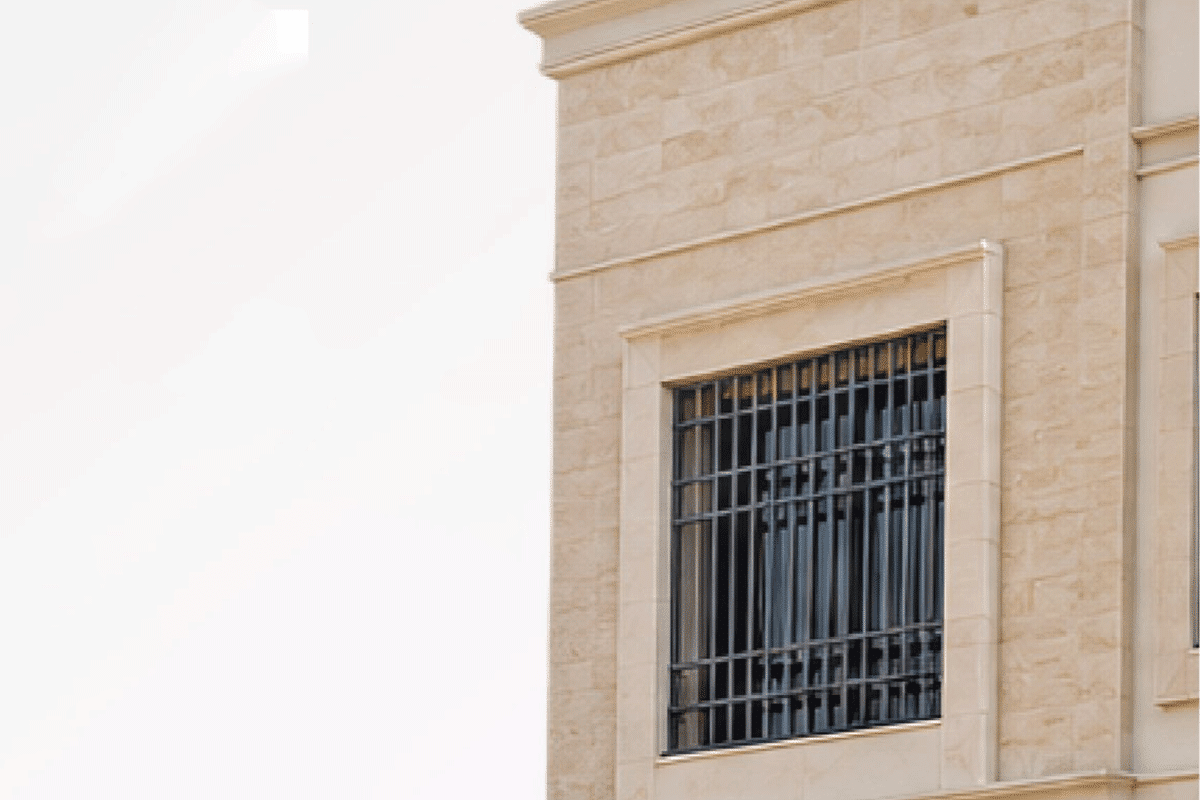
Abu Dhabi residents are being warned about a potential $8,000 penalty for blocking upper-floor windows, highlighting the importance of following residential building regulations. The reported Abu Dhabi window blocking fine is a reminder for homeowners, tenants and landlords to understand the rules governing residential properties in the UAE. For Indian residents living in Abu Dhabi, as well as Indians planning to buy property in the Emirates, understanding local property regulations is an important part of responsible homeownership. Window modifications, permanent coverings and other changes to a property’s structure should never be undertaken without checking the applicable requirements. Before making alterations, residents should consult their building management and the relevant authority. The exact penalty, legal basis and circumstances in which the fine applies should be confirmed through official Abu Dhabi sources.
What Is the Abu Dhabi Window Blocking Fine?
The reported penalty has drawn attention to the importance of maintaining compliant residential properties in Abu Dhabi. According to the headline published by Arabian Business, residents could face a fine of approximately $8,000 for blocking upper-floor windows.
The Abu Dhabi window blocking fine is a topic of interest for apartment owners, tenants, landlords and property investors who want to understand their responsibilities.
However, the dollar amount in the headline should not automatically be treated as the exact amount payable in UAE dirhams. Residents should check the original announcement for the official penalty, the applicable legal provision and any conditions or exceptions.
For anyone renting or owning a property, the practical message is straightforward: do not make potentially non-compliant changes to windows without checking the relevant rules.
Abu Dhabi Window Regulations: Why Compliance Matters
Windows are an important part of residential building design. Depending on the building and the applicable requirements, they may affect ventilation, natural lighting, emergency access and general safety.
The Abu Dhabi window regulations applicable to a particular property can depend on the building’s design, the proposed alteration and the relevant approval requirements.
Residents should take the following precautions before modifying their windows:
- Check the tenancy agreement or property ownership documents for restrictions on alterations.
- Contact building management before installing permanent window coverings or making structural changes.
- Confirm whether written permission or an official approval is required.
- Avoid changes that could compromise ventilation, emergency access or building safety.
- Keep copies of approvals, permits and correspondence relating to the proposed work.
These precautions can help residents avoid disputes and understand their obligations before carrying out alterations.
AED 8,000 Fine Abu Dhabi: What Residents Should Know
The reported AED 8,000 fine Abu Dhabi headline uses a dollar figure that requires careful interpretation. US$8,000 is approximately AED 29,400 at the UAE dirham’s longstanding exchange-rate peg, so the exact official amount should be checked before quoting it as an AED penalty.
Residents should distinguish between a reported maximum penalty and a fine actually imposed in an individual case. The applicable amount may depend on the specific regulation and circumstances.
Before taking action, residents should establish:
- Which authority issued the warning.
- Which law or municipal rule applies.
- Whether the restriction covers all window coverings or only particular types of obstruction.
- Whether a warning or correction period is available.
- Whether the rule applies to owners, tenants, landlords or other responsible parties.
Do not assume that curtains, blinds, privacy screens and structural window alterations are treated identically. The relevant authority can clarify which measures are permitted.
Abu Dhabi Building Safety Rules for Homeowners and Tenants
The reported warning is a useful reminder that residential property responsibilities extend beyond paying rent or maintaining a mortgage.
The Abu Dhabi building safety rules relevant to a home may cover approved alterations, fire safety, access, ventilation and other building requirements. The exact rules vary according to the property and the nature of the proposed work.
What should tenants do?
Tenants should review their rental agreements and seek written permission before making permanent changes. If a proposed installation could affect the building’s exterior or structure, they should obtain clarification before proceeding.
What should homeowners do?
Homeowners should check the approved building plans, applicable regulations and any community or building management requirements before making structural modifications.
What should landlords do?
Landlords should communicate relevant restrictions to tenants and ensure that maintenance and alteration requests are handled through the appropriate channels.
Abu Dhabi Residential Property Regulations: A Guide for Indian Residents
Indians form an important part of the UAE’s residential and property investment community. Whether living in Abu Dhabi for employment, operating a business or purchasing an investment property, understanding local rules can help avoid unnecessary disputes and expenses.
The Abu Dhabi residential property regulations that apply to a property should be checked before carrying out alterations, changing the property’s use or making decisions that could affect safety compliance.
Indian residents should consider the following practical steps:
- Check before modifying: Seek approval before making permanent changes to windows or external building features.
- Keep documentation: Save written permissions, maintenance records and relevant communications.
- Understand the tenancy terms: Review the contract for restrictions on alterations and responsibilities for repairs.
- Verify official notices: Check the relevant Abu Dhabi authority’s announcement instead of relying only on headlines or social media posts.
- Resolve concerns early: Contact building management if an existing window installation may not comply with applicable requirements.
These steps are particularly useful for residents who are new to the UAE and may be unfamiliar with local building procedures.
Blocking Upper-Floor Windows in Abu Dhabi: What Should You Avoid?
The phrase blocking upper-floor windows in Abu Dhabi does not, by itself, establish which specific installations are prohibited. Residents should verify the scope of the reported rule before assuming that an ordinary window covering is a violation.
Until the applicable requirements are confirmed, avoid undertaking permanent or structural changes without approval.
Residents should also avoid relying on informal advice from neighbours, contractors or online groups when a decision could result in a regulatory penalty. Building management and the relevant authority are better sources for property-specific guidance.
If you have already installed a covering or made an alteration, ask whether it requires approval and what corrective steps, if any, are necessary.
UAE Building Regulations 2026: How to Stay Informed
The reported warning is relevant to the wider discussion about residential compliance and property responsibilities across the UAE. However, regulations can differ between emirates, and a rule applicable in Abu Dhabi should not automatically be assumed to apply in Dubai or another emirate.
For reliable information about UAE building regulations 2026, residents should refer to official municipal announcements, relevant legislation and written guidance from building management.
For property buyers, it is also sensible to understand the building’s approved specifications, maintenance obligations and rules on modifications before completing a purchase.
How Keystone Global Real Estate Helps Property Buyers
Keystone Global Real Estate recognises the importance of informed property decisions. For Indian buyers considering residential or investment properties in the UAE, understanding ownership responsibilities, building requirements and ongoing property costs can be an important part of the decision-making process.
Before purchasing, buyers should review the property’s documentation and seek qualified legal or regulatory advice where necessary. Real estate guidance can help identify questions to ask, but it does not replace confirmation from the relevant authority.
Keyestone: Making Informed Property Decisions
Keyestone encourages prospective buyers and existing property owners to look beyond the purchase price when evaluating a home or investment. Building compliance, maintenance obligations, permitted alterations and long-term ownership costs can all influence the overall experience of owning property in the UAE.
For Indian investors exploring the Abu Dhabi market, verifying official information and understanding the responsibilities associated with a property are sensible steps towards making well-informed decisions.
Abu Dhabi Window Blocking Fine: Key Takeaways for Residents
The reported warning about an Abu Dhabi window blocking fine highlights why residents should check the applicable building requirements before altering upper-floor windows.
Remember these key points:
- The reported headline refers to a penalty of approximately US$8,000.
- The exact official fine and the legal basis should be verified.
- Window coverings and structural alterations may be subject to different requirements.
- Tenants, landlords and homeowners should check their respective responsibilities.
- Written approval and official guidance can help prevent avoidable disputes.
For Indian residents and property investors, staying informed about local rules is an important part of responsible property ownership.
Conclusion: Abu Dhabi Window Blocking Fine and Property Compliance
The reported Abu Dhabi window blocking fine serves as a reminder for residents to understand their responsibilities before making changes to their homes. Checking the applicable regulations, obtaining necessary approvals and keeping clear documentation can help homeowners, landlords and tenants avoid preventable problems.
Indian residents and investors should verify the exact penalty and applicable restrictions through official Abu Dhabi sources before making decisions. For broader property guidance, Keystone Global Real Estate highlights the value of informed ownership, while Keyestone encourages buyers to consider compliance and long-term responsibilities alongside their investment goals.
Frequently Asked Questions (FAQs)
1. What is the Abu Dhabi window blocking fine in 2026?
Arabian Business reported a potential penalty of approximately US$8,000 for blocking upper-floor windows. Residents should verify the exact amount and applicable legal provision through an official Abu Dhabi source.
2. Is the reported AED 8,000 fine Abu Dhabi amount correct?
The headline states US8,000,notAED8,000.US8,000 is approximately AED 29,400. The actual official penalty must be verified before quoting a definitive dirham amount.
3. Are curtains and blinds prohibited under Abu Dhabi window regulations?
The headline alone does not establish that ordinary curtains or blinds are prohibited. Residents should confirm which types of coverings or alterations are restricted under the applicable rules.
4. Do Abu Dhabi building safety rules apply to tenants as well as homeowners?
Tenants and homeowners may have different responsibilities. Both should check the relevant regulations, tenancy or ownership documents and building management requirements.
5. What should I do before modifying an apartment window in Abu Dhabi?
Contact building management, review your agreement and ask whether written permission or an official approval is required. Do not begin structural alterations until the requirements are clear.
6. Where can Indian residents verify Abu Dhabi residential property regulations?
Check official Abu Dhabi government and municipal channels, relevant legislation and written guidance from the responsible authority. For a specific property, building management may also clarify approval procedures.
7. Do UAE building regulations 2026 apply equally in Dubai and Abu Dhabi?
Not necessarily. Different emirates may have different rules and approval processes. Always verify the regulations that apply to the property’s specific location.
8. Why should Indian property investors check building regulations before buying?
Understanding permitted alterations, maintenance obligations, safety requirements and potential compliance costs helps investors assess their responsibilities and make better-informed purchasing decisions.



Join The Discussion