
 by
by 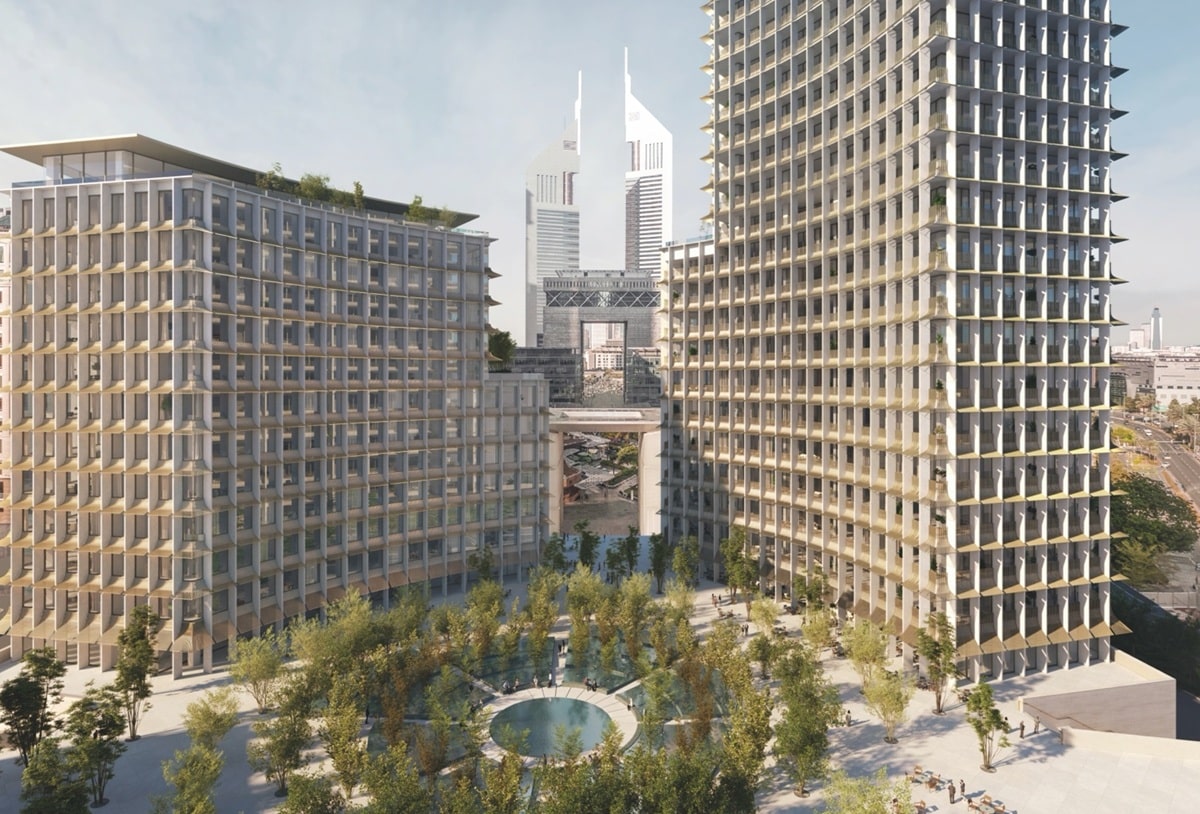
Dubai continues to strengthen its position as a global business and investment destination with the announcement of a new DIFC real estate development featuring luxury residences, offices and hotels. The project adds to the evolving landscape of the Dubai International Financial Centre, a prominent financial district known for its business environment and premium urban setting. For Indian investors exploring opportunities in Dubai, this development highlights the growing connection between residential property, commercial real estate and hospitality. It also creates an opportunity to assess how property in established business districts fits into a diversified investment strategy. However, the project’s final investment appeal will depend on its pricing, ownership structure, completion timeline, rental potential and other confirmed details. Understanding these factors is essential before making a property investment decision.
What the New DIFC Development Means for Dubai Real Estate
The new DIFC development brings together three important property segments: residential accommodation, commercial offices and hospitality. This mixed-use approach reflects the role that modern financial districts play in supporting businesses, professionals, residents and international visitors.
According to the announcement reported by Arabian Business, the development will include luxury residences, office spaces and hotels. Further project details should be confirmed through official announcements before buyers make decisions based on expected prices, facilities or completion dates.
The development is relevant to the wider Dubai real estate market because DIFC serves a business community that includes financial institutions, professional services firms and international companies.
For investors, the announcement provides a reason to examine the area’s property fundamentals rather than relying on the appeal of a new project alone.
Key Features of the New DIFC Development
The announcement highlights three main components that could serve different property requirements.
Luxury Residences in DIFC
Luxury residences in DIFC may appeal to professionals, executives and buyers who want accommodation close to major business and lifestyle destinations.
Residential property in a central business district can attract tenants who value convenience, accessibility and proximity to workplaces. However, actual rental demand and achievable returns depend on the property’s specifications, pricing, service charges and competing supply.
Indian buyers considering residential property in DIFC should evaluate:
- The purchase price and available payment terms.
- The property’s ownership and registration structure.
- Expected completion and handover dates.
- Comparable rents for similar properties.
- Annual service charges and ongoing ownership costs.
These checks help investors compare a premium property with other residential opportunities across Dubai.
DIFC Office Spaces and Commercial Real Estate Dubai
Office spaces form the second major component of the announced development. DIFC’s established business environment makes commercial property an important segment to examine when assessing the district’s long-term prospects.
Businesses often consider location, transport connections, building quality, operational costs and proximity to clients when selecting office space. These factors can influence leasing decisions and the competitiveness of a commercial property.
Investors exploring commercial real estate in Dubai should also examine tenant demand, lease structures, vacancy risks and the costs associated with maintaining office premises.
Residential and commercial properties have different risk profiles. A clear understanding of these differences can help buyers choose assets that match their financial objectives.
DIFC Hotels and Hospitality Opportunities
Hotels add a hospitality component to the development. Their performance generally depends on visitor demand, corporate travel, tourism activity, operating costs and competition from other accommodation providers.
A hotel within a business district may serve corporate travellers, conference attendees and visitors who need convenient access to nearby offices.
However, the announcement alone does not establish future occupancy levels or investment returns. Buyers should confirm whether any hospitality-related investment opportunity is available directly to them and understand its ownership and operating structure.
Why DIFC Property Investment May Interest Indian Buyers
DIFC property investment may interest Indian buyers seeking exposure to Dubai’s established business districts. The location offers a different proposition from suburban residential communities or waterfront developments.
For investors living in India, the decision should begin with their investment goals. Some may prioritise rental income, while others may focus on long-term ownership, portfolio diversification or a property for personal use.
Before investing, Indian buyers should consider the following factors.
- Investment budget: Account for the purchase price, transaction costs, service charges and contingency funds.
- Rental potential: Compare achievable rents with the full cost of ownership rather than relying on advertised yields.
- Holding period: Assess whether the property suits a short, medium or long-term investment horizon.
- Liquidity: Consider how easily a comparable property might be resold under different market conditions.
- Currency exposure: Account for exchange-rate movements between the Indian rupee and UAE dirham when measuring returns in INR.
- Tax and compliance: Obtain advice on applicable Indian tax reporting, foreign asset disclosure requirements and relevant UAE rules.
Indian investors should also verify the property’s permitted ownership structure and eligibility requirements. Property ownership does not automatically provide residency rights or guarantee investment returns.
How the Development Fits into the Dubai Real Estate Market
Dubai’s property market includes several distinct investment categories, from apartments in established communities to premium residences, offices and hospitality assets.
The new DIFC development adds to the range of property types investors can evaluate. Its mixed-use format may appeal to buyers interested in a central location, but the investment case must be assessed using confirmed project information.
Three factors deserve particular attention.
Location and accessibility: A property’s proximity to employment centres, public transport, retail facilities and everyday services can influence its appeal to tenants and end users.
Supply and competition: Investors should compare the development with existing and planned properties in DIFC and neighbouring business districts. A premium address does not eliminate the risk of competing supply.
Pricing and ownership costs: The purchase price should be assessed alongside registration expenses, service charges, maintenance costs and potential vacancy periods.
These factors offer a more practical basis for evaluating luxury property in Dubai than project announcements or marketing claims alone.
How to Evaluate the New DIFC Development Before Investing
Before committing capital, buyers should follow a structured due diligence process.
1. Verify the Official Project Details
Confirm the developer, project approvals, unit availability, ownership structure and payment arrangements through reliable official sources. Do not assume that every feature mentioned in early announcements is finalised.
2. Compare Prices with Similar Properties
Review comparable residential or commercial properties in DIFC and nearby locations. Compare the price per square foot, specifications, service charges and lease potential.
3. Calculate Realistic Net Rental Returns
Estimate annual rental income after allowing for service charges, maintenance, vacancy periods, management fees and other relevant expenses.
Gross rental yield alone does not show how much an investor may retain.
4. Review the Payment Plan and Completion Risk
For off-plan property, examine the payment schedule, contractual protections, construction milestones and expected handover date. Ensure the payment commitments fit your financial position.
5. Seek Independent Professional Advice
A property adviser can help compare available opportunities, while qualified legal and tax professionals can address ownership, contractual and cross-border considerations.
Keystone Global Real Estate helps buyers approach Dubai property decisions with a focus on location, investment objectives and practical due diligence. Investors should use independent financial and legal advice where appropriate before proceeding with a transaction.
How Keyestone Approaches Dubai Property Investment
Keyestone focuses on helping property buyers understand the differences between available locations, property types and investment strategies in Dubai.
For Indian investors, the process should begin with a clear assessment of budget, preferred holding period, expected rental income and tolerance for risk. These considerations can help determine whether a premium financial district, an established residential community or another property segment is the better fit.
The new DIFC development is an opportunity to review a particular part of Dubai’s property market, not a reason to assume that every premium property will deliver the same results.
Investors should compare verified project information, assess the complete cost of ownership and avoid decisions based solely on projected appreciation or rental returns.
A disciplined approach helps buyers focus on the quality of the investment rather than the excitement surrounding a new launch.
Is DIFC Real Estate Development Worth Considering?
A new DIFC real estate development featuring residences, offices and hotels is relevant to buyers following Dubai’s premium property and commercial real estate sectors.
The project’s actual investment appeal will depend on details such as pricing, property specifications, ownership arrangements, delivery timelines and market demand. Until these factors are confirmed, investors should avoid treating projected returns or future appreciation as established outcomes.
For Indian buyers, currency exposure, tax obligations and the total cost of ownership are equally important. Comparing the opportunity with other properties in Dubai can help establish whether it fits an individual investment strategy.
The best property decision is one supported by verified information, realistic financial calculations and an appropriate holding period.
Conclusion: Evaluating DIFC Real Estate Development for Long-Term Value
The announcement of a new DIFC real estate development featuring luxury residences, offices and hotels adds another opportunity for investors to examine Dubai’s premium property market. However, the project’s long-term value will depend on confirmed pricing, demand, ownership conditions and delivery details rather than its headline features alone.
For Indian investors, careful financial planning, realistic return calculations and an understanding of cross-border obligations are essential before committing funds. Comparing this development with other properties can help identify opportunities that better match individual investment goals.
Keystone Global Real Estate encourages informed property decisions grounded in due diligence, market understanding and transparent evaluation.
Keyestone’s approach is to help buyers assess opportunities with clarity, focusing on suitable property choices rather than guaranteed outcomes. In a changing market, informed decisions remain central to building a property portfolio that reflects an investor’s objectives and financial circumstances.
Frequently Asked Questions
1. What is the new DIFC real estate development?
It is a development announced in Dubai’s International Financial Centre area that will feature luxury residences, office spaces and hotels. Buyers should consult official announcements for further project details.
2. Where is DIFC located in Dubai?
The Dubai International Financial Centre is an established financial and business district in central Dubai, serving financial institutions, professional services firms and other businesses.
3. Is DIFC property investment suitable for Indian investors?
It may suit Indian investors seeking exposure to Dubai property, depending on their budget, investment horizon and risk tolerance. Buyers should assess pricing, ownership rules, rental potential, currency exposure and applicable tax obligations before investing.
4. Can Indian citizens buy property in DIFC?
Eligibility depends on the specific property’s ownership structure and applicable UAE regulations. Buyers should verify the permitted ownership arrangements and obtain qualified legal advice before making a purchase.
5. What types of properties are included in the development?
The announcement identifies three main categories: luxury residences, offices and hotels. Further details about unit types, prices, facilities and availability should be confirmed through official sources.
6. Does buying property in DIFC guarantee rental income?
No. Rental income depends on market demand, achievable rent, vacancy periods, property condition and ownership costs. Investors should calculate potential net returns and account for periods without tenants.
7. What should Indian investors check before buying Dubai property?
Investors should review the purchase price, ownership terms, registration costs, service charges, payment schedule, expected rental income, resale potential and applicable tax and reporting requirements in India and the UAE.
8. How can buyers assess whether a DIFC property is a good investment?
Compare the property with similar assets, verify official project information, calculate realistic net returns and consider the investment’s risks and holding period. Independent property, legal and tax advice can help support the decision.


Join The Discussion