
 by
by 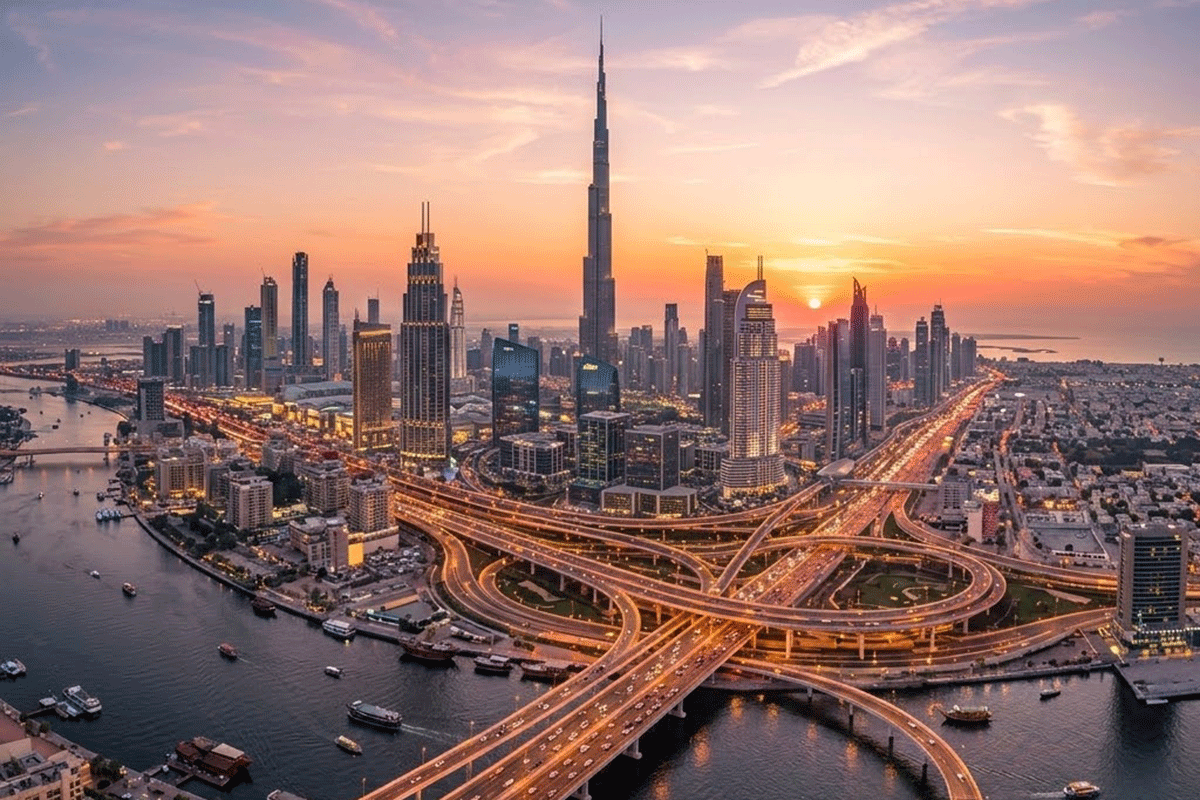
Dubai is entering another important phase of urban development, with major infrastructure investments expected to influence residential demand, business activity, and future property values. For Indian investors exploring international real estate, these developments offer an opportunity to understand where long-term demand could emerge. From transport connectivity and business districts to waterfront communities, Dubai infrastructure projects can reshape how people choose where to live and invest. However, property appreciation depends on several factors, including location, supply, affordability, and project completion timelines. A potential increase of up to 25% should be viewed as a forecast, not a guaranteed return. For investors considering Dubai property investment, the priority should be identifying locations with strong fundamentals, understanding the costs involved, and choosing properties that align with their financial goals.
How Dubai Infrastructure Projects Could Transform the Property Market
Infrastructure development can influence real estate demand by improving connectivity, creating employment opportunities, and making neighbourhoods more attractive to residents and businesses.
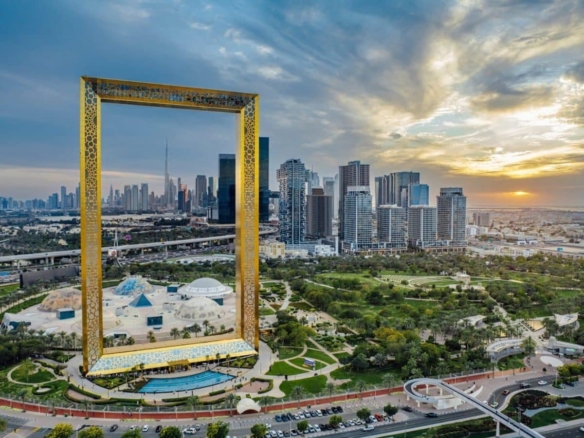
Dubai continues to invest in transport, commercial districts, tourism destinations, and integrated residential communities. Major developments, including the planned Gold Metro Line and DIFC Zabeel District, reflect the city’s focus on long-term urban growth.
These developments can create new opportunities across the Dubai real estate market, particularly in areas that benefit from improved accessibility.
1. Better connectivity can increase residential demand
Transport links make daily commuting easier and improve access to workplaces, schools, retail destinations, and leisure facilities.
When connectivity improves, nearby residential communities may attract more tenants and buyers. However, the impact varies by location and depends on whether the infrastructure is completed and delivers the expected benefits.
For Indian buyers, evaluating a property’s actual distance from existing transport links is just as important as considering planned developments.
2. New business districts can support housing demand
Expanding commercial hubs can attract companies, entrepreneurs, and skilled professionals. A growing workforce can support demand for apartments and family homes.
The planned expansion of DIFC through the Zabeel District illustrates how commercial development can integrate offices, residential properties, hospitality, and other amenities.
For investors, the key question is whether new employment opportunities will translate into sustainable housing demand in nearby communities.
How AED 150B+ Mega Projects Could Influence Dubai Property Prices
The reported AED 150 billion-plus infrastructure pipeline highlights the scale of development attracting attention across the city. The potential impact on Dubai property prices will depend on how individual projects affect accessibility, employment, tourism, and the supply of new homes.
A projected increase of up to 25% may appeal to investors, but it should not be interpreted as a citywide guarantee.
Key factors that could support Dubai property appreciation
- Improved transport: Better connections can make selected neighbourhoods more convenient for residents.
- Employment growth: Expanding business districts may support rental demand.
- Lifestyle development: New retail, hospitality, and leisure facilities can improve neighbourhood appeal.
- Population growth: A larger resident population can support demand for suitable housing.
- Limited local supply: Areas with constrained supply may respond differently from locations with many competing developments.
These factors should be assessed together. A major infrastructure announcement alone does not establish that a property will increase in value.
What investors should verify before buying
Before committing capital, compare current transaction prices, rental performance, upcoming residential supply, developer delivery records, and the confirmed status of nearby infrastructure.
The original report from Arabian Business provides the starting point for examining the infrastructure and property-value forecast
Best Areas to Invest in Dubai for Future Growth
Choosing the right location is one of the most important decisions in Dubai property investment. Instead of focusing only on projected price increases, investors should compare established communities with emerging areas.
The following locations offer different investment characteristics. None guarantees a particular return.
Dubai Marina and Business Bay
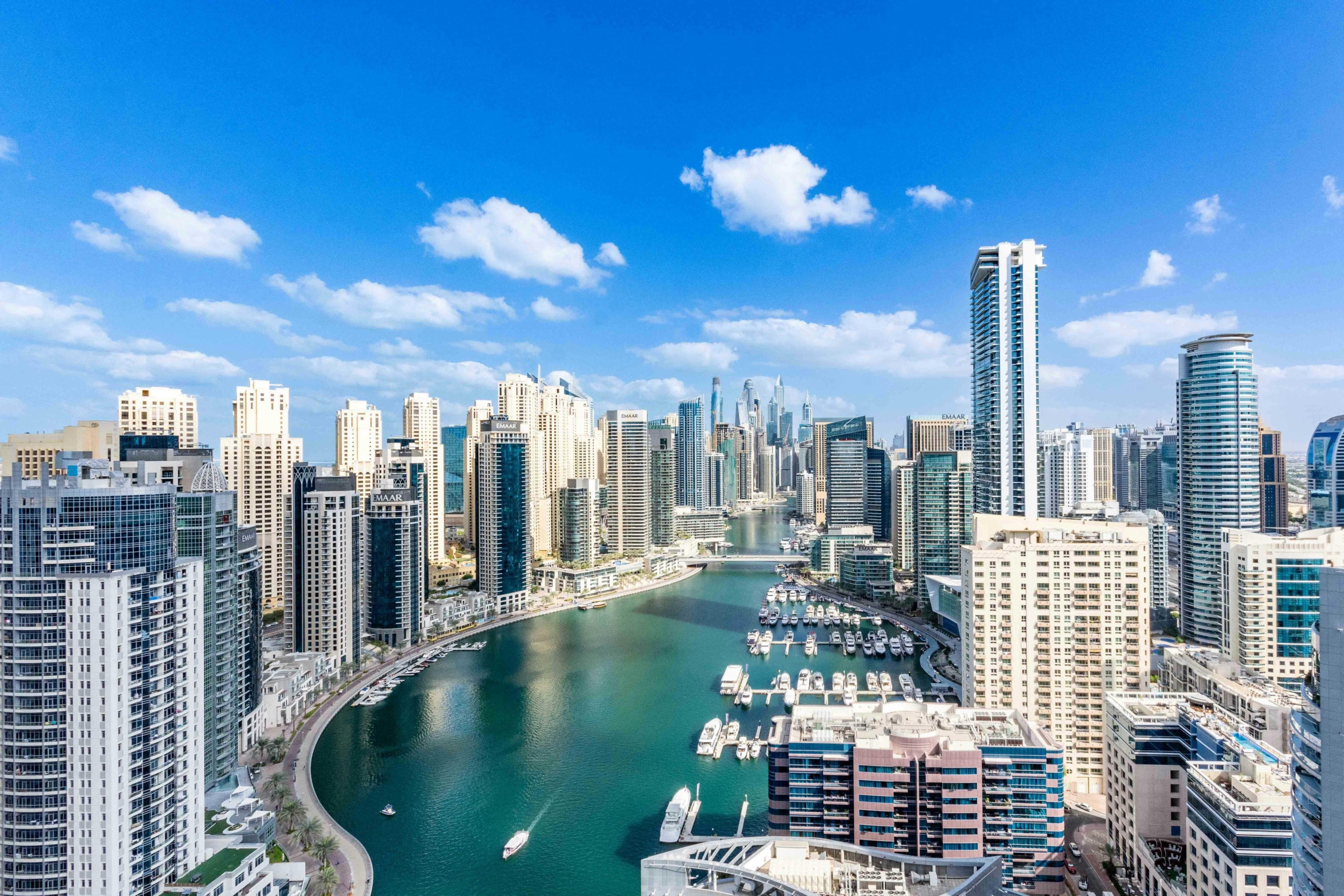
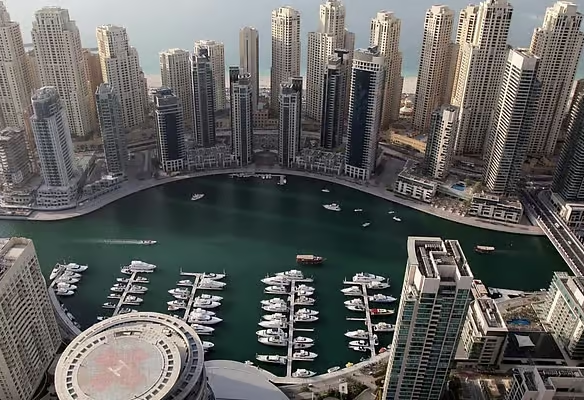
Dubai Marina
An established waterfront neighbourhood with residential towers, restaurants, leisure facilities, and access to public transport. Investors can assess its appeal to professionals and lifestyle-focused tenants.
Business Bay
A mixed-use district close to Downtown Dubai, with residential, hospitality, and commercial properties. Compare individual buildings, service charges, rental demand, and purchase prices.
Dubai South and emerging development corridors
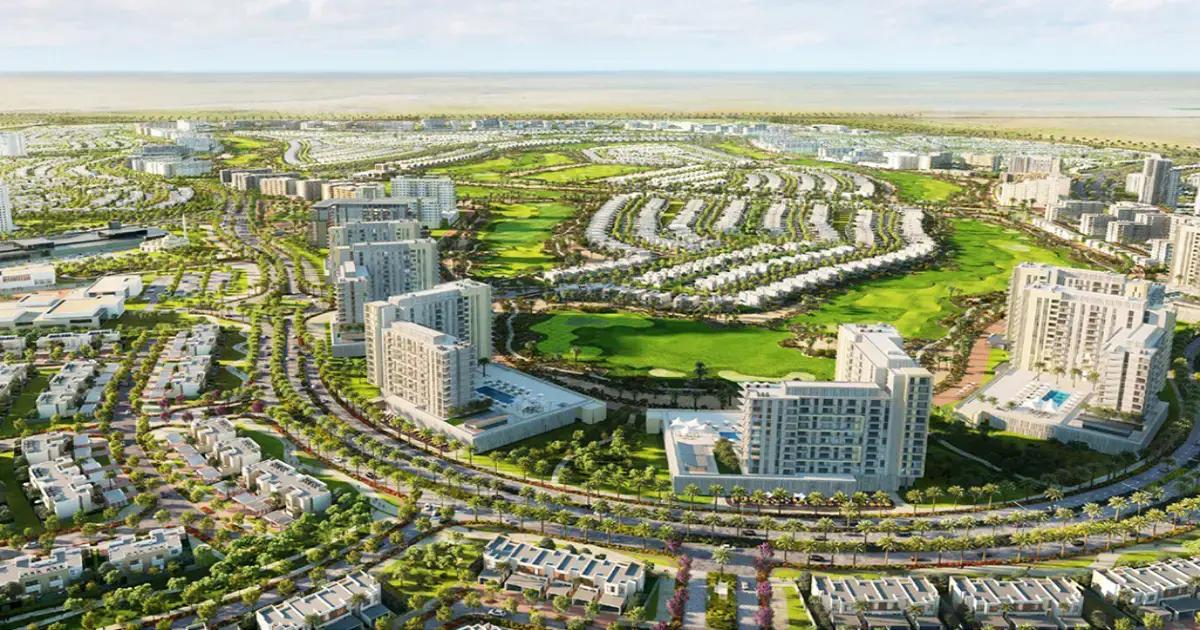
Dubai South
A developing urban district linked to Dubai’s wider logistics and aviation ecosystem. Investors should examine infrastructure delivery timelines, actual occupancy, transport access, and competing supply.
How to compare these investment locations
| Investment factor | What to evaluate |
| Entry price | Total purchase cost and comparable transactions |
| Rental income | Achievable rent and vacancy risk |
| Connectivity | Existing transport and confirmed future improvements |
| Supply | Competing properties and scheduled handovers |
| Resale potential | Buyer demand, liquidity, and property condition |
The best areas to invest in Dubai will depend on your budget, investment horizon, and whether you prioritise rental income, capital appreciation, or future personal use.
Dubai Real Estate Investment Opportunities for Indian Buyers
For Indian investors, overseas property ownership can provide geographical diversification and exposure to a different real estate market. However, the decision requires careful financial and regulatory planning.
Understand the full cost of ownership
Your investment budget should include more than the advertised property price.
Account for applicable Dubai Land Department registration charges, brokerage fees, trustee or administrative fees, service charges, maintenance, insurance where relevant, and potential vacancy periods. Confirm the actual charges before signing a purchase agreement.
Indian residents should also seek professional advice on applicable FEMA and RBI rules, overseas remittance requirements, tax reporting, and the treatment of foreign rental income and capital gains in India.
UAE residency or a Golden Visa should not be assumed to follow automatically from every property purchase. Eligibility depends on the applicable rules and individual circumstances.
Evaluate the payment plan carefully
Off-plan properties may offer staged payments during construction, but investors must assess the developer’s track record, escrow arrangements, contractual terms, handover timeline, and any outstanding payment obligations.
Ready properties may provide a clearer picture of current rental income and building conditions. Compare both options based on the total cost and investment objective.
A Practical Approach to Dubai Property Investment
At Keystone Global Real Estate, investment decisions should begin with the buyer’s objectives rather than a headline about expected appreciation.
A practical evaluation can include:
- Define your budget: Set a purchase limit that includes fees and a contingency reserve.
- Choose an investment strategy: Decide between rental income, long-term appreciation, or personal use.
- Compare locations: Review transaction evidence and rental performance across suitable communities.
- Check the developer: Verify registration, delivery history, project status, and contractual protections.
- Calculate net returns: Deduct service charges, maintenance, vacancy, and other ownership costs from expected rental income.
- Plan your exit: Consider resale demand, holding costs, and the possibility that market conditions may change.
This approach helps investors evaluate Dubai real estate investment opportunities without relying solely on optimistic forecasts.
How Keyestone Helps Investors Evaluate Dubai Property Market Trends
Keyestone focuses on helping buyers understand property options in the UAE through a more structured investment process.
For Indian investors, useful guidance includes comparing ready and off-plan properties, reviewing payment plans, assessing neighbourhood fundamentals, and understanding the costs associated with ownership.
Rather than assuming that every infrastructure-led location will outperform the market, investors should compare individual properties using consistent financial criteria.
A strong investment decision combines realistic rental assumptions, a suitable holding period, a credible developer, and a purchase price supported by market evidence.
Conclusion: Make Smarter Dubai Property Investment Decisions
Dubai’s infrastructure pipeline could create opportunities in selected residential and commercial locations. Better connectivity, expanding business districts, and improved amenities may support housing demand over time, but outcomes will vary across communities and property types.
For Indian buyers, successful Dubai property investment requires more than identifying a promising project. It means understanding the total purchase cost, checking regulatory obligations, evaluating rental demand, and planning for different market scenarios.
The projected 25% increase should be treated as a possibility rather than a promise. Investors who focus on fundamentals and conduct proper due diligence are better positioned to make informed decisions.
Keystone Global Real Estate can help buyers explore suitable UAE property options based on their budget, objectives, and preferred investment horizon. The goal is to make property decisions with clear information, realistic expectations, and a well-defined strategy.
Frequently Asked Questions
1. Can Dubai infrastructure projects increase property values?
They can support property demand by improving connectivity and access to jobs and amenities. The actual impact depends on location, supply, execution, and market conditions.
2. Is a 25% increase in Dubai property prices guaranteed?
No. It is a projected possibility, not a guaranteed return. Investors should verify the underlying forecast and assess downside risks.
3. Is Dubai property investment suitable for Indian investors?
It may suit investors seeking international diversification, provided they understand applicable Indian regulations, UAE ownership rules, currency exposure, taxes, and total ownership costs.
4. Which areas should Indian investors compare?
Dubai Marina, Business Bay, and Dubai South offer different location profiles. Compare purchase prices, achievable rent, supply, connectivity, and resale demand before selecting a property.
5. Should Indian buyers choose off-plan or ready property?
Off-plan purchases may offer staged payments, while ready properties provide more visibility into existing conditions and potential rental income. The right choice depends on risk tolerance, cash flow, and investment objectives.
Join The Discussion