
 by
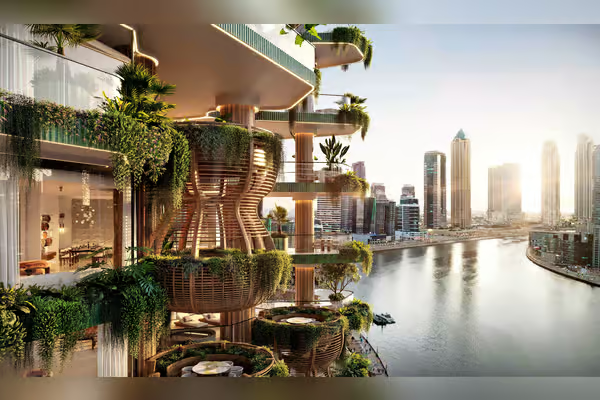
Regenerative real estate UAE is emerging as an important concept in the future of property development, bringing together healthier living spaces, resource efficiency and environmental responsibility. For Indian investors exploring opportunities in Dubai and across the UAE, this shift raises an important question: should a property be judged only by its location, price and rental potential, or also by how well it performs over time? Regenerative development goes beyond conventional sustainability. It aims to create buildings that support residents, use resources more intelligently and contribute positively to their surroundings. As the UAE continues to explore more sustainable approaches to construction, investors have an opportunity to understand what these developments offer, how their performance should be assessed and whether they fit their long term investment objectives.
What Is Regenerative Real Estate UAE and Why Does It Matter?
Regenerative real estate focuses on creating developments that do more than reduce environmental damage. It aims to improve the quality of indoor spaces, use water and energy efficiently, support local ecosystems and create healthier environments for residents.
Traditional green buildings often focus on reducing energy consumption and emissions. Regenerative developments take a broader approach by considering how a building affects people and its surrounding environment throughout its life.
According to a report published by Khaleej Times on October 27, 2026, developers and industry experts are exploring areas such as indoor air quality, water reuse, natural materials, climate resilience and measurable building performance. The report also highlights the importance of checking how these features perform after residents move in.
For Indian buyers considering property in the UAE, the concept adds another dimension to property evaluation. Alongside location, developer reputation and payment plans, buyers can assess how efficiently a home operates and whether its design supports comfortable everyday living.
How Sustainable Real Estate UAE Is Evolving
The UAE has already established a foundation for more sustainable construction through initiatives such as Dubai’s Al Sa’fat green building system and the Dubai Building Code.
The next stage involves looking beyond basic compliance and evaluating how buildings perform in real life. This includes energy use, water consumption, indoor comfort and maintenance requirements.
Green Buildings in Dubai and Healthier Living
Green buildings in Dubai increasingly draw attention to efficient cooling, ventilation, daylight and water management. These features matter in a climate where residents depend heavily on indoor environments for much of the year.
Important considerations include:
- Effective ventilation and indoor air quality
- Efficient air conditioning and lighting systems
- Better insulation and thermal comfort
- Responsible water use and recycling
- Natural landscaping and access to greenery
- Durable materials suited to local weather conditions
However, a building should not be considered regenerative simply because it offers a gym, landscaped garden or wellness facilities. Its actual environmental performance and the quality of its indoor spaces matter more than the number of amenities.
Sustainable Property Development UAE and Climate Resilience
Sustainable property development UAE increasingly needs to account for high temperatures, humidity, dust and long term material durability.
Developers can address these challenges through appropriate building orientation, moisture management, effective ventilation and materials selected for local conditions. Water reuse systems and suitable landscaping can also help reduce resource consumption.
For investors, these features may support better building performance and resident comfort. Their value depends on design quality, installation, maintenance and actual operating results.

Regenerative Real Estate Dubai: What Indian Investors Should Know
For Indian investors, Dubai offers access to a property market with residential, commercial and investment options across different price ranges. Regenerative real estate Dubai adds another consideration to the buying process: how well a property balances comfort, operating efficiency and long term usability.
At KEYSTONE GLOBAL REAL ESTATE, we believe property decisions should begin with the investor’s objectives rather than marketing claims alone. A sustainable development may suit one buyer but not another, depending on the purchase budget, expected holding period and intended use.
Before investing, Indian buyers should examine the following factors.
1. Location and Tenant Demand
A property in a well connected area with access to workplaces, transport, retail and community facilities may appeal to a wider tenant pool.
Sustainable features can strengthen a property’s appeal, but they cannot compensate automatically for a weak location or limited rental demand.
2. Developer Reputation and Delivery Record
Review the developer’s completed projects, construction quality, delivery history and maintenance arrangements. For off plan properties, examine the project documentation and relevant approvals before making a commitment.
Ask for evidence supporting claims about energy savings, water efficiency and wellness features.
3. Purchase Price and Total Ownership Cost
Compare the property’s price with similar homes in the same area. Consider service charges, maintenance, financing costs, insurance where applicable and other ownership expenses.
Green real estate investment Dubai opportunities should be assessed on their full financial profile rather than sustainability claims alone.
4. Rental Potential and Exit Strategy
Consider the likely tenant profile, comparable rents, vacancy risk and resale demand. A property with efficient systems may appeal to some tenants, but rental premiums and resale gains are not guaranteed.
Investors should calculate potential returns using realistic assumptions and consider both positive and negative market scenarios.
Green Real Estate Investment Dubai and the Business Case
Regenerative design can require additional investment during planning and construction. Better materials, advanced ventilation, water recycling and ongoing performance monitoring may increase initial costs.
However, some design decisions can help control operating expenses over time. Efficient cooling, reduced water consumption and durable materials may contribute to lower resource use or fewer maintenance issues when systems are properly designed and managed.
For investors, the relevant question is whether these benefits justify any additional purchase cost.
A practical evaluation should include:
- Initial purchase price compared with similar properties
- Expected annual service charges and maintenance costs
- Estimated electricity and water consumption
- Likely rental income based on comparable properties
- Potential demand from residents who value healthier homes
- Resale prospects and the property’s long term competitiveness
Independent assessments and recognised certifications can provide useful supporting evidence. However, investors should understand what each certification measures and whether the property has demonstrated its claimed performance in actual use.
KEYSTONE GLOBAL REAL ESTATE encourages investors to look at the complete ownership picture. A property with attractive sustainability features is not necessarily a better investment if its price is excessive, its location is unsuitable or its expected income does not justify the cost.

UAE Real Estate Market Trends: From Sustainability to Performance
One of the important developments in sustainable construction is the shift from counting features to measuring outcomes.
A building may advertise efficient lighting, advanced air filtration or water recycling. Investors should also ask whether these systems work as intended, how much maintenance they require and whether their performance is monitored after occupancy.
Energy Efficient Buildings Dubai and Operating Costs
Energy efficient buildings Dubai can incorporate insulation, efficient cooling equipment, appropriate glazing and lighting controls. In the UAE climate, cooling performance can be especially important for energy consumption.
Nevertheless, actual savings depend on the building design, equipment quality, occupancy patterns, maintenance and residents’ usage. Buyers should request documented estimates where available rather than relying on general promotional claims.
Climate Resilient Real Estate UAE and Long Term Value
Climate resilient real estate UAE considers how buildings respond to local environmental conditions and maintain their performance over time.
Moisture control, durable materials, suitable landscaping and efficient water systems can help address practical challenges. These considerations may contribute to a property’s usability and appeal, but they do not guarantee appreciation.
For investors, the strongest approach combines environmental performance with conventional property analysis. Location, affordability, legal documentation, developer credibility and market demand remain essential.
Sustainable Property Investment Dubai: How KEYSTONE GLOBAL REAL ESTATE Can Help
For Indian investors, entering the UAE property market involves more than choosing a project from a brochure. It requires a clear understanding of the investment objective, ownership costs, documentation and the risks associated with the chosen property.
KEYSTONE GLOBAL REAL ESTATE helps buyers evaluate property opportunities in the context of their budgets and investment priorities. Our approach focuses on understanding the buyer’s requirements, comparing suitable options and assessing the practical considerations behind each purchase.
When reviewing a sustainable development, investors should ask:
- What evidence supports the developer’s environmental claims?
- Are the expected operating costs clearly explained?
- Does the location suit the intended tenant or end user?
- Are the service charges and maintenance arrangements reasonable?
- Does the purchase price make sense compared with similar properties?
- What are the realistic rental, resale and holding cost scenarios?
Indian investors should also consider currency movements, applicable taxes, financing arrangements and their own financial circumstances. Rules and costs can differ according to the investor’s residency, ownership structure and source of funds. Independent legal, tax and financial advice may be appropriate before proceeding.
Our goal at KEYSTONE GLOBAL REAL ESTATE is to help investors make informed decisions based on clear information, suitable property comparisons and realistic expectations.
The Future of Regenerative Real Estate UAE
Regenerative real estate UAE could become an important part of the country’s evolving property sector as developers and buyers pay closer attention to health, resource efficiency and long term building performance.
Wider adoption will depend on whether developers can deliver measurable results at accessible prices. Reliable performance data, appropriate standards, skilled construction teams and effective maintenance will all influence how quickly the concept moves beyond premium residential projects.
For Indian investors, this creates a reason to look beyond attractive interiors and headline amenities. A well designed property should provide practical value, support comfortable living and remain competitive for its intended market.
At the same time, sustainability should be treated as one part of a complete investment assessment, not a substitute for financial analysis.
KEYSTONE GLOBAL REAL ESTATE believes the most useful investment decisions combine an understanding of emerging property trends with careful evaluation of location, price, developer credibility, operating costs and future demand.
Conclusion: Why Regenerative Real Estate UAE Deserves Attention
Regenerative real estate UAE represents a broader way of thinking about property. It considers not only how a building is constructed, but also how it supports residents, uses resources and performs throughout its lifespan.
For Indian investors exploring Dubai and the wider UAE, sustainable development may offer useful features to consider when comparing properties. However, the real value lies in verified performance, sensible pricing and suitability for the investor’s objectives.
Before making a decision, compare the property’s financial fundamentals with its environmental and operational features. Look for evidence rather than promises, and consider the total cost of ownership alongside rental and resale potential.
Considering property investment in Dubai or elsewhere in the UAE? Contact KEYSTONE GLOBAL REAL ESTATE to explore suitable opportunities and make a more informed property decision.
Frequently Asked Questions
1. What is regenerative real estate UAE?
Regenerative real estate UAE refers to property development that aims to improve environmental performance and residents’ wellbeing. It can include efficient energy and water systems, healthier indoor spaces, durable materials and landscaping that supports local ecosystems.
2. How is regenerative real estate different from green buildings?
Green buildings generally focus on reducing environmental impact through measures such as energy efficiency and water conservation. Regenerative development takes a broader approach by seeking positive outcomes for residents and the surrounding environment.
3. Is regenerative real estate Dubai a good investment?
It may suit investors who value efficient buildings and long term property performance. However, investment suitability depends on location, purchase price, rental demand, service charges, developer quality and the investor’s financial objectives. Returns are not guaranteed.
4. Can Indian citizens invest in sustainable real estate in Dubai?
Indian citizens can purchase property in designated freehold areas of Dubai, subject to applicable UAE laws and property requirements. Buyers should verify ownership eligibility, transaction costs, documentation and any relevant Indian tax or reporting obligations before investing.
5. Do sustainable properties offer higher rental returns in the UAE?
Not necessarily. Efficient systems and comfortable living environments may appeal to certain tenants, but rental returns depend on location, supply, demand, property condition and purchase price. Investors should compare actual rental evidence before assuming a premium.
6. What should Indian investors check before buying a sustainable property in Dubai?
Review the developer’s track record, project approvals, ownership documentation, purchase price, service charges, estimated utility costs and rental comparables. Ask for evidence supporting environmental claims and consider independent legal and financial advice.
7. What features should investors look for in energy efficient buildings Dubai?
Useful features may include efficient cooling systems, good insulation, suitable glazing, effective ventilation, water saving fixtures and well designed lighting. Buyers should assess how the systems perform in practice and what maintenance they require.
8. How can KEYSTONE GLOBAL REAL ESTATE help Indian property investors?
KEYSTONE GLOBAL REAL ESTATE can help investors explore suitable UAE property opportunities, compare developments and understand important factors such as location, pricing, ownership costs and potential rental demand. Investors should independently verify legal, financial and tax considerations before purchasing.
Join The Discussion