
 by
by 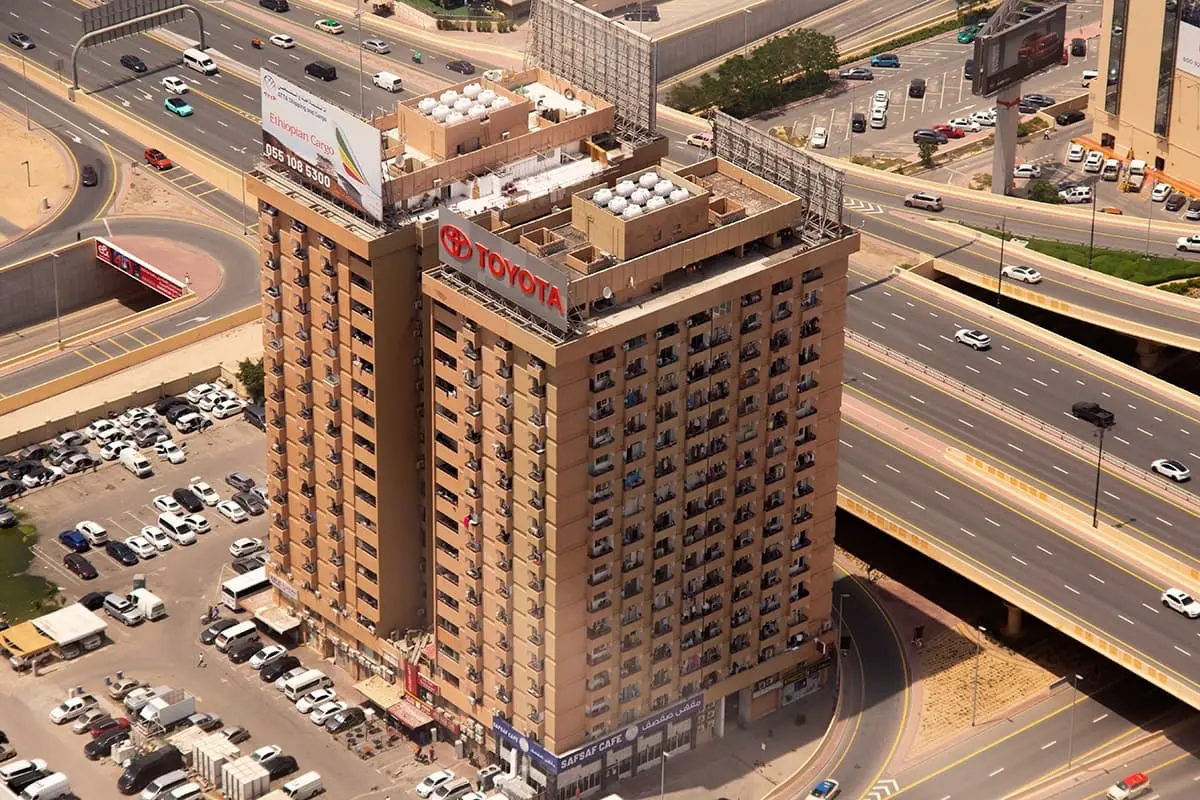
Dubai is preparing to say goodbye to one of its most recognisable early landmarks. The Toyota Building on Sheikh Zayed Road, officially known as the Nasser Rashid Lootah Building, is scheduled for demolition in 2027 after more than five decades. For thousands of residents, including generations of Indian expatriates, the building has been more than an old residential tower. It has been a familiar meeting point, a navigation marker and a reminder of how dramatically Dubai has changed. The planned demolition is another major chapter in Dubai landmarks demolition, as older structures make way for a rapidly evolving cityscape. For Indian investors and residents watching the Dubai real estate market, the story also highlights how location, redevelopment and urban transformation can reshape property opportunities over time.
Dubai landmarks demolition signals the end of an era
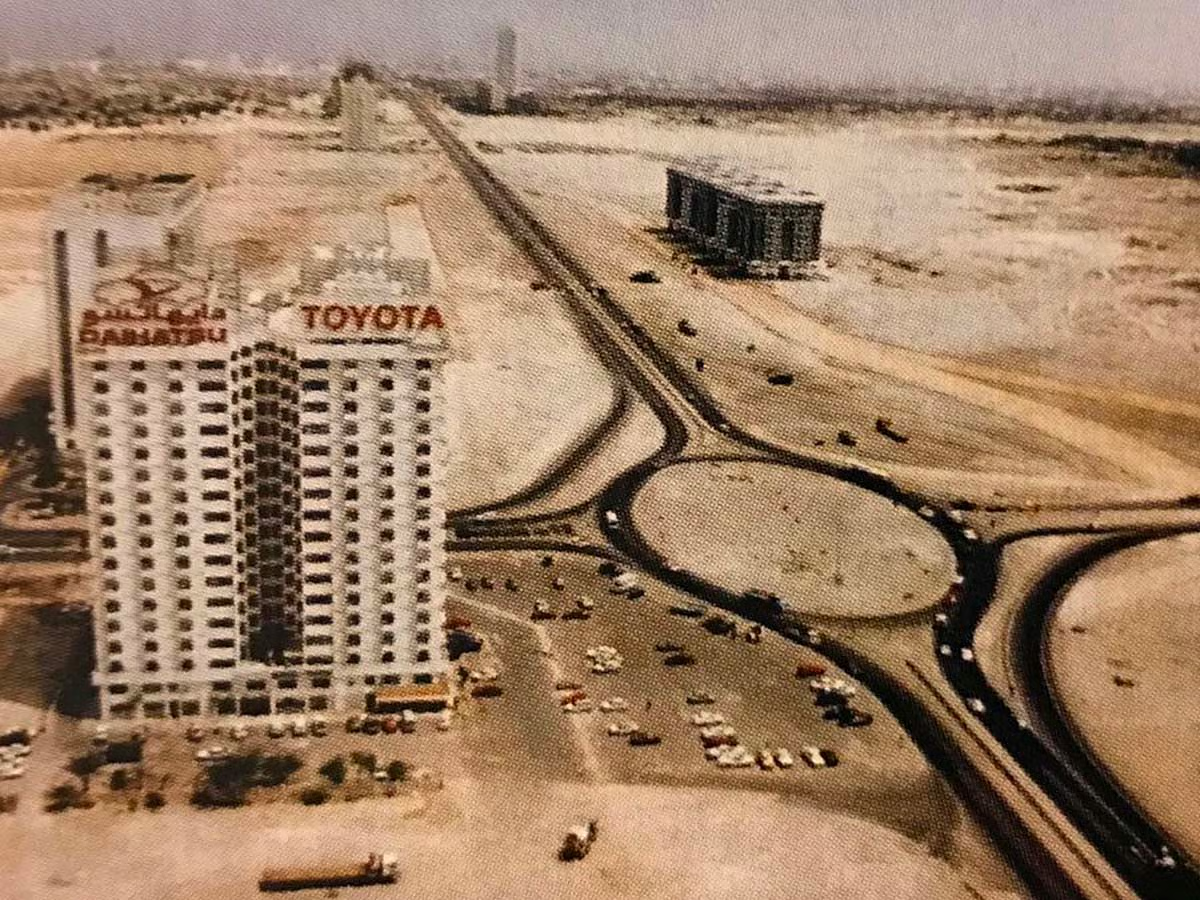
The Toyota Building was completed in 1974, making it one of the early residential towers along what would become one of Dubai’s most important roads.
Today, Sheikh Zayed Road Dubai is lined with some of the world’s most recognisable skyscrapers. In the 1970s, however, the area looked very different.
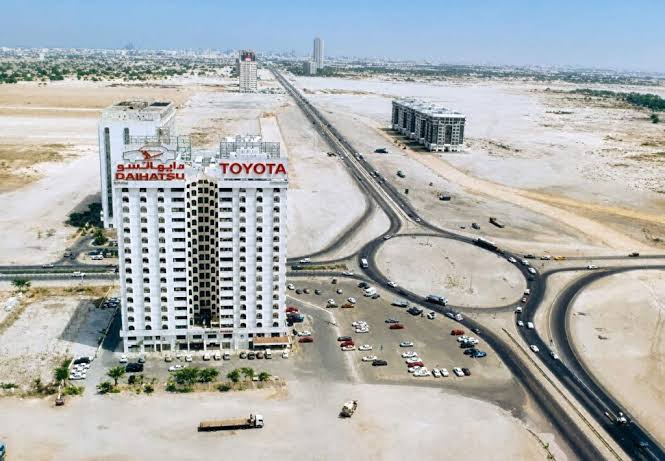
The 15-storey Nasser Rashid Lootah Building stood near what was then the Defence Roundabout, now associated with the first interchange on Sheikh Zayed Road.
Its location made the building highly visible as Dubai expanded from a relatively low-rise city into a global business and tourism destination.
The building’s planned removal represents more than the demolition of an ageing structure. It reflects the continuous evolution of Dubai’s urban landscape.
For people following Dubai landmarks demolition, the Toyota Building is particularly significant because it has remained part of the city’s visual identity for more than 50 years.
Toyota Building Dubai became a symbol of old Dubai
The story of Toyota Building Dubai is closely connected with the famous red-and-white Toyota sign on its rooftop.
The sign was installed in 1981 and quickly became one of the building’s most recognisable features. For many drivers, residents and visitors, the illuminated sign became a simple way to identify the area.
Long before smartphones and GPS became part of everyday life, landmarks played an important role in helping people navigate Dubai.
The Toyota Building became one of those landmarks.
The original sign remained for roughly four decades before it was removed in 2018 following the end of its advertising contract. Toyota UAE later restored the familiar logo in June 2022, bringing back a feature that had become deeply associated with the building.
For many Indian expatriates who have lived in Dubai for years, the Toyota sign is more than branding. It is part of the visual memory of travelling along Sheikh Zayed Road.
Dubai landmarks demolition changes familiar city memories
Dubai landmarks demolition is not only about buildings. It is also about memories connected to those buildings.
The Toyota Building has housed one-, two- and three-bedroom apartments and has provided homes for residents for decades.
Some current and former residents have described the building as an important part of their Dubai experience. Its central location and comparatively affordable accommodation made it attractive to residents who wanted access to one of the city’s most connected areas.
This is particularly relevant for Indian families and professionals who have built their lives in Dubai over the years.
A building can disappear from the skyline while remaining strongly connected to the memories of the people who lived there.
Dubai Toyota Building demolition planned for 2027
The Dubai Toyota Building demolition is scheduled for 2027, according to the property’s management.
An exact demolition date has not yet been announced.
Residents with valid rental contracts were previously told they could remain in the building until December 2026. However, a significant number of residents have already moved out. Gulf News reported that around 70 percent of tenants had left by August 2026.
The situation has also attracted attention because of electricity disruptions and issues involving partitioned apartments.
According to reports, some apartments had been divided into multiple rooms, creating overcrowding concerns. The reasons surrounding individual electricity disconnections have been reported as linked to authorities, while some details remain unconfirmed.
The important point for residents is that the building’s long-term future has been confirmed. Its demolition is expected in 2027.
Toyota Building Dubai demolition 2027 and what residents should know
For residents still connected with Toyota Building Dubai demolition 2027 plans, the key consideration is timing.
Those with valid rental contracts should review their agreements, understand their rights and begin planning alternative accommodation where necessary.
The location remains highly attractive because Sheikh Zayed Road provides access to major business districts, metro stations and other parts of Dubai.
For Indian families, professionals and business owners, finding a replacement home with a similar combination of location and affordability may require early planning.
The end of the building also creates an important reminder for Dubai residents. Prime locations can remain valuable even when individual buildings eventually reach the end of their useful life.
Iconic Toyota Building Dubai reflects Dubai’s transformation
The iconic Toyota Building Dubai tells the story of a city that has changed at remarkable speed.
When the building was completed in 1974, Dubai’s skyline was nowhere near what it is today.
Over the following decades, Sheikh Zayed Road developed into one of the city’s main commercial and residential corridors.
The surrounding skyline changed dramatically. Metro infrastructure was introduced. New business districts emerged. Luxury residential towers and commercial developments transformed the road.
Yet the Toyota Building remained.
That contrast made it particularly distinctive.
Modern skyscrapers grew around a relatively modest residential tower, creating a visual connection between Dubai’s past and present. The building became one of the most recognisable Sheikh Zayed Road landmarks because of that history.
Dubai landmarks demolition and the changing skyline
Dubai landmarks demolition is becoming a visible part of the city’s broader transformation.
As land values, planning requirements, infrastructure and development priorities change, older buildings can eventually be replaced by newer projects.
This does not necessarily mean older buildings have no value.
Instead, it shows how Dubai continues to optimise its urban environment and make space for future development.
For investors, this is an important distinction.
A property should not be evaluated only by how new the building looks today. Location, land value, surrounding infrastructure, development potential and long-term demand can also influence its investment appeal.
Dubai real estate development continues to reshape prime locations
The story of the Toyota Building also connects with the wider Dubai real estate development cycle.
Dubai’s most established locations continue to attract developers because of their connectivity, infrastructure and demand.
Areas along Sheikh Zayed Road benefit from access to commercial centres, residential communities, public transport and major attractions.
As older properties disappear, new Dubai construction projects can introduce different forms of residential, commercial or mixed-use development.
However, investors should avoid assuming that every redevelopment automatically creates an investment opportunity.
The details matter.
Land ownership, development plans, project quality, pricing, payment plans, location and future demand all need to be evaluated before making an investment decision.
Dubai real estate market offers lessons for Indian investors
For Indian investors, the Dubai real estate market remains particularly interesting because of the city’s international connectivity and established Indian expatriate community.
But the Toyota Building story offers a broader lesson.
Real estate investment should focus on the future, not only the present.
A property located in an established area with strong infrastructure may have a different long-term profile from a similarly priced property in a less mature location.
At Keystone Global Real Estate, our focus is on helping investors understand those differences before making property decisions.
For Indian buyers considering Dubai property, we look beyond the headline price and examine location, developer reputation, payment structure, rental potential, resale prospects and long-term market positioning.
Dubai property decisions should go beyond headlines
The Toyota Building story should not be interpreted as a reason to avoid older properties or assume that every old building will be demolished.
Instead, it highlights the importance of due diligence.
When evaluating Dubai property, investors should consider:
- Location and connectivity
- Building age and maintenance
- Developer and ownership structure
- Current rental demand
- Future infrastructure
- Redevelopment potential
- Service charges
- Resale liquidity
- Property type
- Entry price
- Long-term demand
For Indian investors, currency considerations and financing costs should also be reviewed before committing capital.
A good property decision is rarely based on one factor.
It comes from understanding how several factors work together.
Real estate Dubai opportunities require a long-term view
The Toyota Building’s history demonstrates how quickly real estate Dubai can evolve.
What was once an early landmark can eventually become part of the city’s redevelopment cycle.
For investors, that means today’s established neighbourhoods may look very different in another 10, 20 or 30 years.
Keyestone helps investors assess opportunities with a long-term perspective rather than simply following market headlines.
The objective is to identify properties where fundamentals support the investment case.
Sheikh Zayed Road landmarks continue to evolve
The Toyota Building may be disappearing, but the importance of Sheikh Zayed Road is unlikely to disappear.
The corridor remains one of Dubai’s most important arteries, connecting major residential, commercial and business areas.
Its skyline will continue to evolve as Dubai introduces new projects and upgrades existing infrastructure.
The story also demonstrates how Dubai balances its history with its ambition for future growth.
For people who remember the Toyota Building from the 1980s, 1990s or early 2000s, its demolition will be emotional.
For investors, however, it is also a reminder that Dubai’s urban landscape is constantly changing.
What the Toyota Building means for Dubai property investors
The planned demolition of the Toyota Building does not directly determine the future performance of Dubai property.
However, it offers an interesting case study in how prime locations evolve.
A building may eventually disappear, but the underlying location can continue to hold strategic importance.
This is why investors should separate the value of a building from the value of its wider location.
For Indian buyers looking at Dubai, this is especially important when comparing established communities with emerging areas.
A strong investment strategy should consider today’s demand while also examining what the area could become in the future.
Conclusion on Dubai landmarks demolition and Dubai’s next chapter
The Toyota Building has stood on Sheikh Zayed Road since 1974 and became famous for its rooftop Toyota sign from 1981. After more than five decades, its planned demolition in 2027 marks the end of a memorable chapter in Dubai’s history.
For many Indian expatriates, the building represents much more than an old residential tower. It represents memories, journeys, friendships and years spent building a life in Dubai.
At the same time, Dubai landmarks demolition reflects the city’s willingness to evolve.
As older structures make way for new developments, investors should pay close attention to location, demand and long-term potential.
Dubai’s skyline may continue to change, but its strongest locations can remain valuable through generations of development.
For investors looking to understand where the next opportunities may emerge, Keystone Global Real Estate provides market-focused guidance across Dubai’s evolving property landscape.
Whether you are looking for your first Dubai property or expanding an existing portfolio, understanding the market before investing can make a significant difference.
FAQs on Dubai landmarks demolition
What is happening with the Toyota Building Dubai?
The Toyota Building Dubai, officially the Nasser Rashid Lootah Building, is scheduled for demolition in 2027. The 15-storey residential building was completed in 1974.
Why is the Dubai Toyota Building demolition happening?
The Dubai Toyota Building demolition follows the building’s current clearance and relocation process. Reports have also highlighted issues involving partitioned apartments and electricity disruptions. Some details around the authority action remain unconfirmed.
When will the Toyota Building Sheikh Zayed Road be demolished?
The Toyota Building Sheikh Zayed Road is scheduled for demolition in 2027. An exact demolition date has not been announced.
When was the iconic Toyota Building Dubai constructed?
The iconic Toyota Building Dubai was completed in 1974. It became widely known by its Toyota name after the rooftop Toyota sign was installed in 1981.
What happened to the Toyota sign?
The original Toyota sign was removed in 2018 after its advertising contract ended. Toyota UAE restored the familiar logo in June 2022. Recent reporting says the sign’s legacy is expected to continue even after the building is demolished.
Can tenants stay in the Toyota Building until 2027?
Residents with valid rental contracts were told they could remain until December 2026. Many tenants have already moved out, however, and the situation has developed further during 2026.
What does Dubai landmarks demolition mean for property investors?
Dubai landmarks demolition highlights the importance of evaluating both the building and its location. Investors should consider infrastructure, demand, redevelopment potential, pricing, developer quality and long-term market fundamentals before investing.
Is Sheikh Zayed Road still a good location for Dubai property?
Sheikh Zayed Road remains one of Dubai’s major commercial and residential corridors. However, investors should assess each property individually based on price, building quality, connectivity, rental demand and future development.
What should Indian investors check before buying Dubai property?
Indian investors should review the property’s location, developer, payment plan, service charges, rental potential, resale prospects, financing costs and overall investment strategy before making a purchase.
Join The Discussion